Every intersection of the Nine Map names a capacity. This is the deep dive beneath one of them: what it means, where established thinking meets it, what the evidence does and does not support, and what might help it develop. A worked example of the pattern, not settled science.
The proposition
We make what matters possible so that attention can be invested.
The capacity this intersection asks us to cultivate is purpose.
Purpose is the capacity to connect present effort to something worth pursuing, to hold a direction that gives current work meaning. It asks someone to invest enough attention in a possibility to commit to it, so that today’s effort is felt as part of something larger.
Purpose is commitment to a direction, not the effective authorship of action that agency names. It differs from possibility beneath it, which is seeing what could be while still unattached; purpose is choosing a particular what-could-be as worth sustained effort. Purpose often guides action, but agency is the capacity to exercise intentional influence in bringing that direction about. Purpose is also not the same as a goal or a target: a target can be handed to someone, while purpose is the felt connection between effort and something judged worth pursuing.
It sits in the middle of the Inspire column, between possibility and agency. Read the column upward and what could be steadily becomes action: you see a possibility, you commit to it as a purpose, then you act. Effort without purpose is motion; purpose without action is intention. This intersection is where effort acquires a direction.
In each context
The intersection stays generative as context changes. Inspire crossed with Engage keeps pointing towards purpose, while its expression shifts.
Learning
Learners connect today’s effort to something they can see is worth it, rather than working only for marks.
Leadership
People understand how their work serves a direction they find worth pursuing, not just a target they have been given.
Governance
The board keeps the organisation’s purpose in view, protecting it from drift into activity for its own sake.
System design
Structures keep local effort connected to the wider mission, so parts do not optimise themselves at the whole’s expense.
Theoretical perspectives
Purpose is not a single construct. Several established bodies of work illuminate different aspects of it. Some speak to it directly; others explain the conditions and capacities it draws on.
Direct perspectives
- Purpose
- A stable intention to accomplish something meaningful to the self and consequential beyond it.
- Meaning
- The human need to connect present experience to something that matters, sustaining people even under hardship.
- Intrinsic motivation
- Effort driven by interest and value rather than external reward, more durable and more self-directed.
- Relatedness
- The need to feel connected to something and someone beyond oneself, part of what makes a direction feel worth it.
- Goal-setting
- How committed, specific direction focuses and sustains effort, a mechanism purpose recruits though it is not the same as it.
Important neighbours
- Agency
- Acting to bring the direction about. It sits above, at Inspire × Empower.
- Possibility
- Seeing what could be, still unattached. It sits below, at Inspire × Enjoy; purpose commits to one such possibility.
- Engagement
- Investing attention in the work itself. The Engage row is where purpose is felt in effort.
What research suggests
A caution first. What follows does not validate the six-principle model, and it is not offered as proof. It is the evidential trail: established work that concerns purpose directly, and separate work that supports part of the mechanism this intersection proposes.
Research directly concerning purpose
Purpose has been studied as a stable intention to accomplish something meaningful to the self and consequential beyond the self, especially in adolescence (Damon, Menon & Bronk, 2003; Damon, 2008). Frankl’s influential theoretical and clinical account argues that connecting present experience to meaning can sustain people under severe hardship (Frankl, 1959/2006). Self-determination theory adds a related but distinct point: effort is more willingly sustained when it arises from interest or from values a person has genuinely endorsed, rather than from external control (Ryan & Deci, 2000).
Research supporting part of the mechanism
Committed, specific direction is known to focus and sustain effort (Locke & Latham, 2002), which supports a possibility becoming a direction worth investing in without proving the whole proposition.
So the honest position holds. Purpose has substantial theoretical and empirical neighbours, while the specific claim, that making what matters possible while attention is invested develops purpose, remains a hypothesis worth testing rather than a settled finding.
Research base
- Damon, W. (2008). The path to purpose: How young people find their calling in life. Free Press.
- Damon, W., Menon, J., & Bronk, K. C. (2003). The development of purpose during adolescence. Applied Developmental Science, 7(3), 119–128. https://doi.org/10.1207/S1532480XADS0703_2
- Frankl, V. E. (2006). Man’s search for meaning. Beacon Press. (Original English-language work published 1959)
- Locke, E. A., & Latham, G. P. (2002). Building a practically useful theory of goal setting and task motivation: A 35-year odyssey. American Psychologist, 57(9), 705–717. https://doi.org/10.1037/0003-066X.57.9.705
- Ryan, R. M., & Deci, E. L. (2000). Intrinsic and extrinsic motivations: Classic definitions and new directions. Contemporary Educational Psychology, 25(1), 54–67. https://doi.org/10.1006/ceps.1999.1020
A proposed starting base, not a closed list, grouped by whether a source concerns purpose itself or supports part of the proposed mechanism.
Design implications
If we take these perspectives seriously, several design implications follow. These are design propositions, not a recipe for producing purpose.
Praxis
Practices make the design propositions concrete. For purpose, these might include connecting tasks explicitly to why they matter, room to shape how work is done rather than only what is required, reflection on what a person finds worth pursuing, and protecting a line of sight from daily effort to the larger aim.
A practice can support more than one capacity. Reflecting on why work matters develops purpose while also deepening engagement. The Nine Map is therefore not a filing system for practices; it provides a way of asking what a practice is intended to develop.
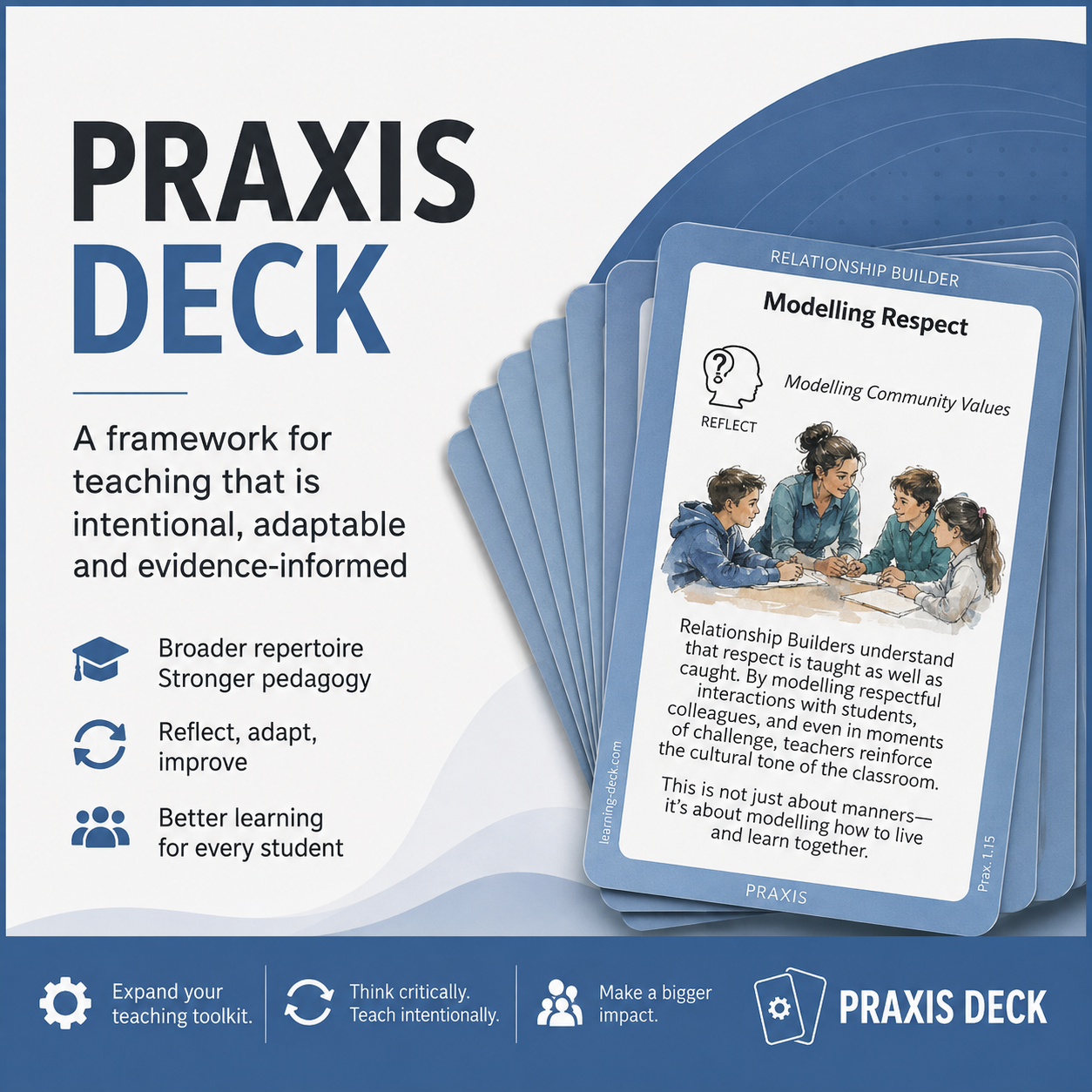
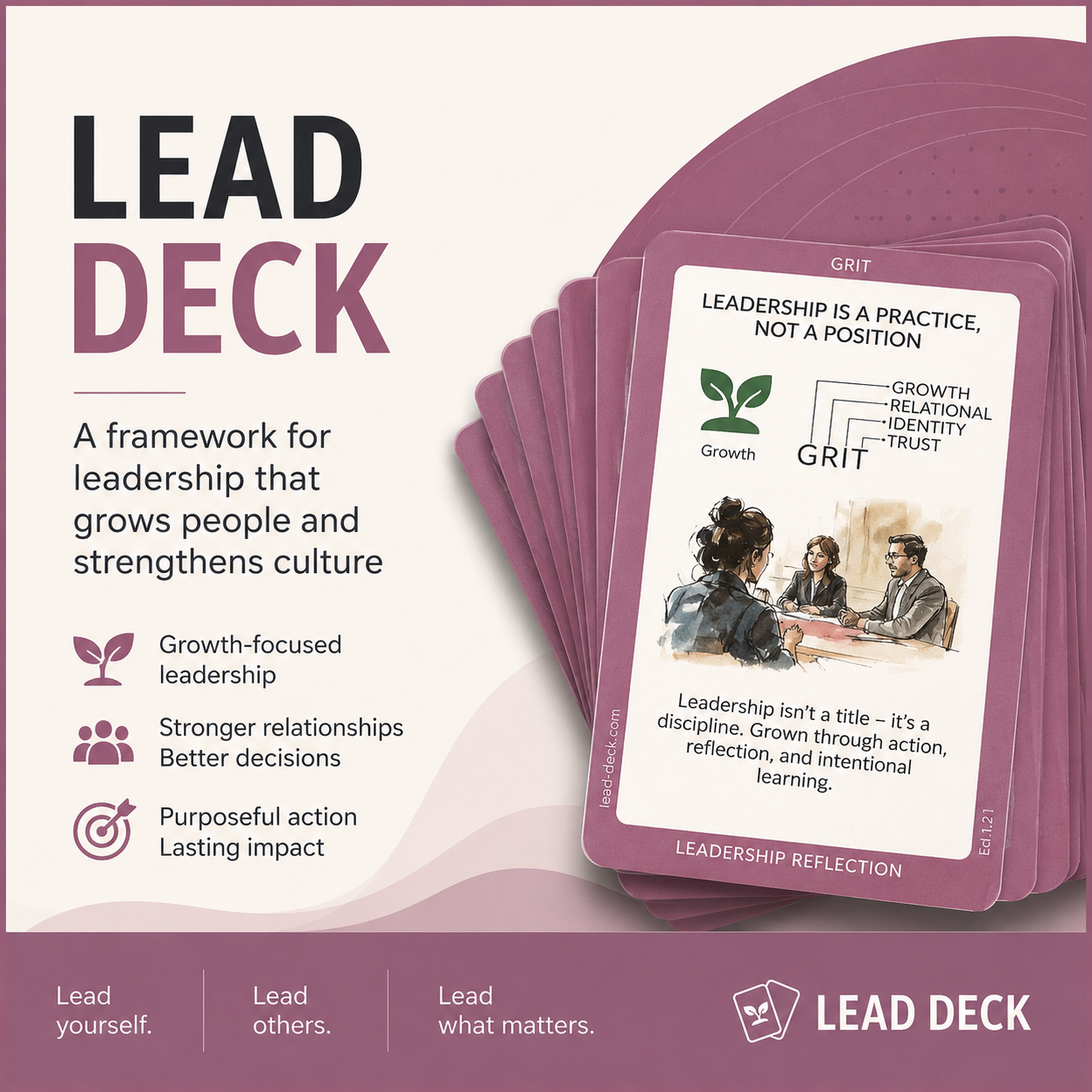
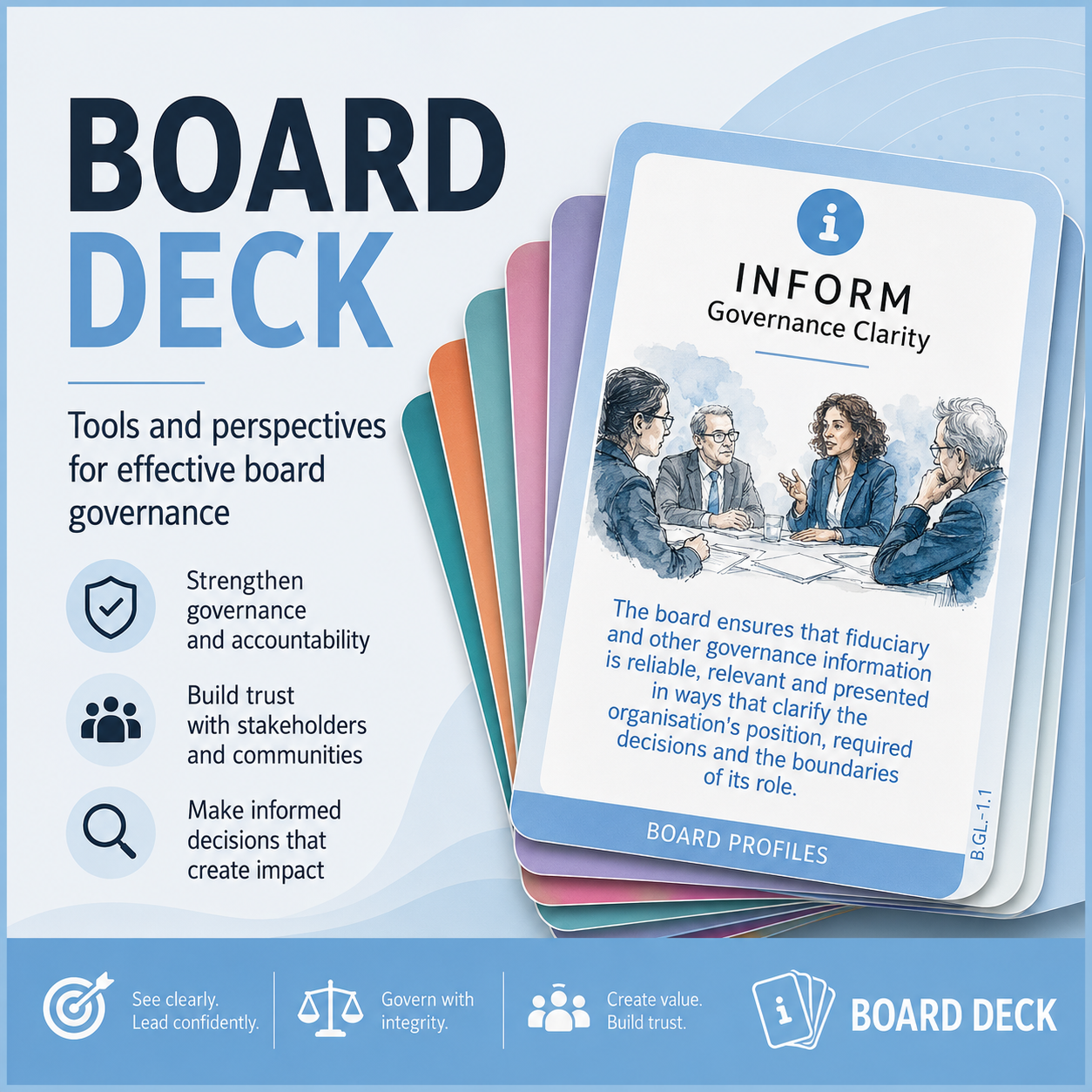
Relevant practices appear across Praxis, Lead and Board because the context changes while the underlying developmental purpose stays the same.
Recognition
How would you know purpose was developing? You would look for someone increasingly able to connect their present effort to something they find worth pursuing, sustain effort through difficulty because of it, and choose a direction rather than only follow one.
Sustaining effort through difficulty matters most, because it is the hardest to fake. Stated purpose is cheap; purpose that holds when the work is hard is not.
This is also the test that keeps the model honest. If increasingly good purpose never becomes recognisable, the Inspire and Engage practices are not doing what we think they are.
The feedback loop
Practice, to recognition, to capacity, to principle, to purpose. What we can recognise in practice is how we learn whether the theory of action is working, or whether it needs to change.
Back to the Nine Map. Purpose is one of nine intersections, each opening into the same depth. Use the map above to move between them.