Every intersection of the Nine Map names a capacity. This is the deep dive beneath one of them: what it means, where established thinking meets it, what the evidence does and does not support, and what might help it develop. A worked example of the pattern, not settled science.
The proposition
We make what matters possible so that attention can stay available.
The capacity this intersection asks us to cultivate is possibility.
Possibility is the capacity to conceive of what could be, to imagine beyond the present state, without attention being consumed by threat or constraint. It is the free seeing of options and futures that everything more committed is built from.
Possibility is imagining, not yet committing or acting. It differs from purpose above it, which fixes on a particular possibility as worth pursuing, and from agency, which acts to realise one. Possibility is available attention: it needs enough safety that the mind can range beyond the immediate. And it is not fantasy or wishful thinking, which drift free of the real; possibility conceives options that can then be examined and pursued.
It sits at the foot of the Inspire column, beneath purpose and agency. Read the column upward and what could be steadily becomes action, but it has to be conceived before it can be chosen or enacted. Where attention is fully consumed by threat, the future narrows to the next few minutes, and possibility closes.
In each context
The intersection stays generative as context changes. Inspire crossed with Enjoy keeps pointing towards possibility, while its expression shifts.
Learning
Learners can imagine what they might achieve and try ideas that might not work, without fear of looking foolish.
Leadership
People can put forward unfinished ideas and picture different futures without immediate judgement closing them down.
Governance
The board can consider genuinely different options, not only variations on the current path.
System design
There is room and permission to pilot, prototype and imagine alternatives, not only to run what exists.
Theoretical perspectives
Possibility is not a single construct. Several established bodies of work illuminate different aspects of it. Some speak to it directly; others explain the conditions and capacities it draws on.
Direct perspectives
- Broaden-and-build
- Positive emotions can widen the range of thought and action a person considers; threat tends to call forth narrower, more immediate responses.
- Hope
- The combination of imagined pathways to a goal and the sense that one could take them.
- Possibility thinking
- The move from ‘what is’ to ‘what might be’, treated as a describable educational act.
- Growth mindset
- Believing that ability can develop, which keeps one part of the future open rather than treating it as fixed.
- Counterfactual thinking
- Imagining how things could be otherwise, the cognitive basis of conceiving alternatives.
Important neighbours
- Purpose
- Committing to a possibility as worth pursuing. It sits above, at Inspire × Engage.
- Agency
- Acting to realise a possibility. It sits at Inspire × Empower.
- Openness
- Receptivity to what is not yet known. It sits beside, at Inquire × Enjoy.
What research suggests
A caution first. What follows does not validate the six-principle model, and it is not offered as proof. It is the evidential trail: established work that concerns possibility directly, and separate work that supports part of the mechanism this intersection proposes.
Research directly concerning possibility
Positive emotions can widen the range of thoughts and actions a person considers, while threat tends to call forth narrower, more immediate responses (Fredrickson, 2001). Hope has been modelled as the combination of imagined pathways to a goal and a sense of agency in pursuing them (Snyder, 2002), so it crosses the Nine Map’s boundaries between possibility, purpose and agency rather than belonging wholly to one cell. In education, the move from what is to what might be has been described as possibility thinking (Craft, 2001), while a growth mindset keeps beliefs about ability open to development rather than treating ability as fixed (Dweck, 2006).
Research supporting part of the mechanism
Imagining alternatives draws on counterfactual thinking, the capacity to represent how things could be otherwise (Byrne, 2005), which supports the imaginative side of this intersection without establishing the whole proposition.
So the honest position holds. Possibility has substantial theoretical and empirical neighbours, while the specific claim, that making what matters possible while attention is available develops possibility, remains a hypothesis worth testing rather than a settled finding.
Research base
- Byrne, R. M. J. (2005). The rational imagination: How people create alternatives to reality. MIT Press.
- Craft, A. (2001). Little c creativity. In A. Craft, B. Jeffrey, & M. Leibling (Eds.), Creativity in education (pp. 45–61). Continuum.
- Dweck, C. S. (2006). Mindset: The new psychology of success. Random House.
- Fredrickson, B. L. (2001). The role of positive emotions in positive psychology: The broaden-and-build theory of positive emotions. American Psychologist, 56(3), 218–226. https://doi.org/10.1037/0003-066X.56.3.218
- Snyder, C. R. (2002). Hope theory: Rainbows in the mind. Psychological Inquiry, 13(4), 249–275. https://doi.org/10.1207/S15327965PLI1304_01
A proposed starting base, not a closed list, grouped by whether a source concerns possibility itself or supports part of the proposed mechanism.
Design implications
If we take these perspectives seriously, several design implications follow. These are design propositions, not a recipe for producing possibility.
Praxis
Practices make the design propositions concrete. For possibility, these might include protected time to imagine alternatives, low-stakes prototypes, exposure to what others have made possible, and welcoming unfinished ideas before subjecting them to judgement.
A practice can support more than one capacity. A low-stakes prototype develops possibility while also building agency. The Nine Map is therefore not a filing system for practices; it provides a way of asking what a practice is intended to develop.
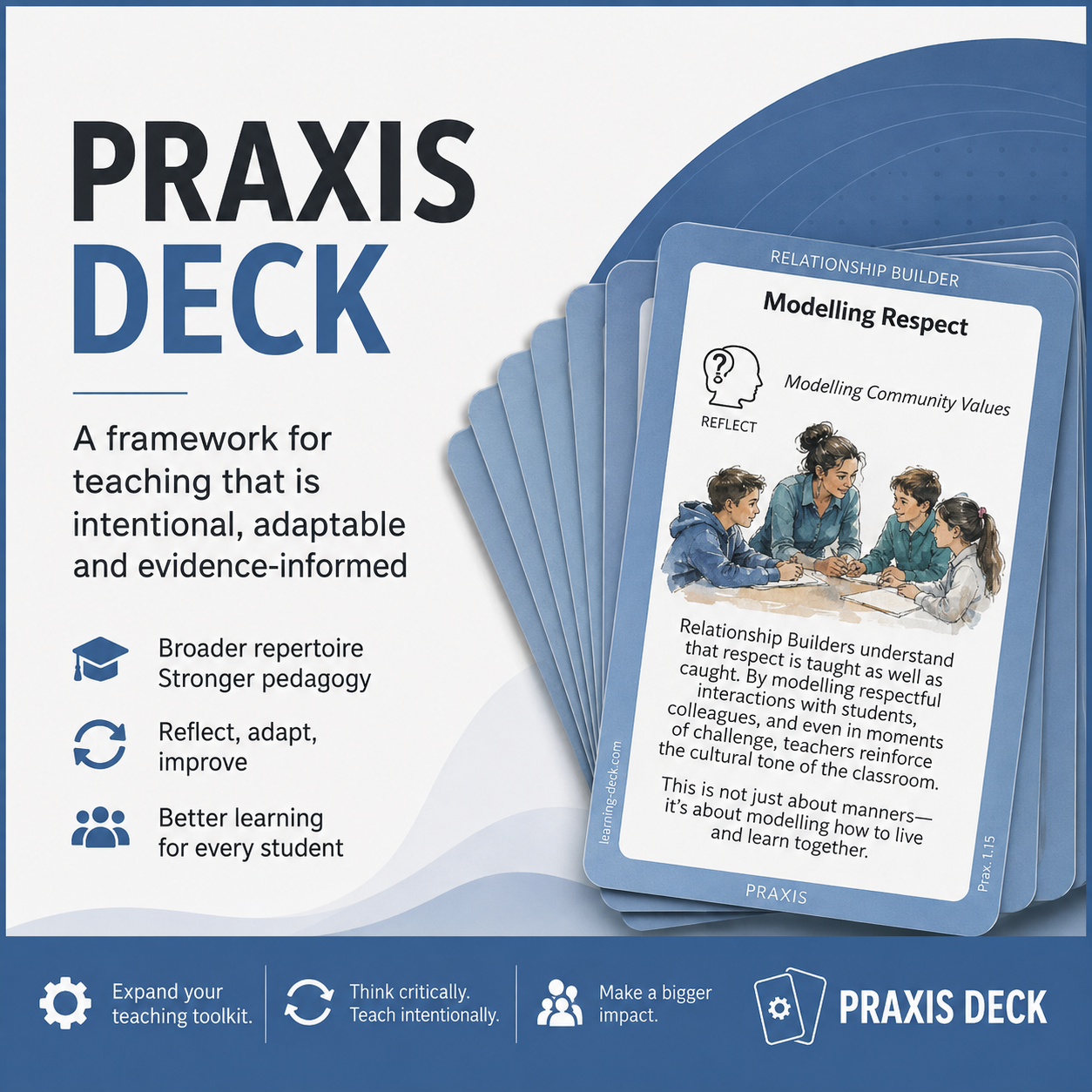
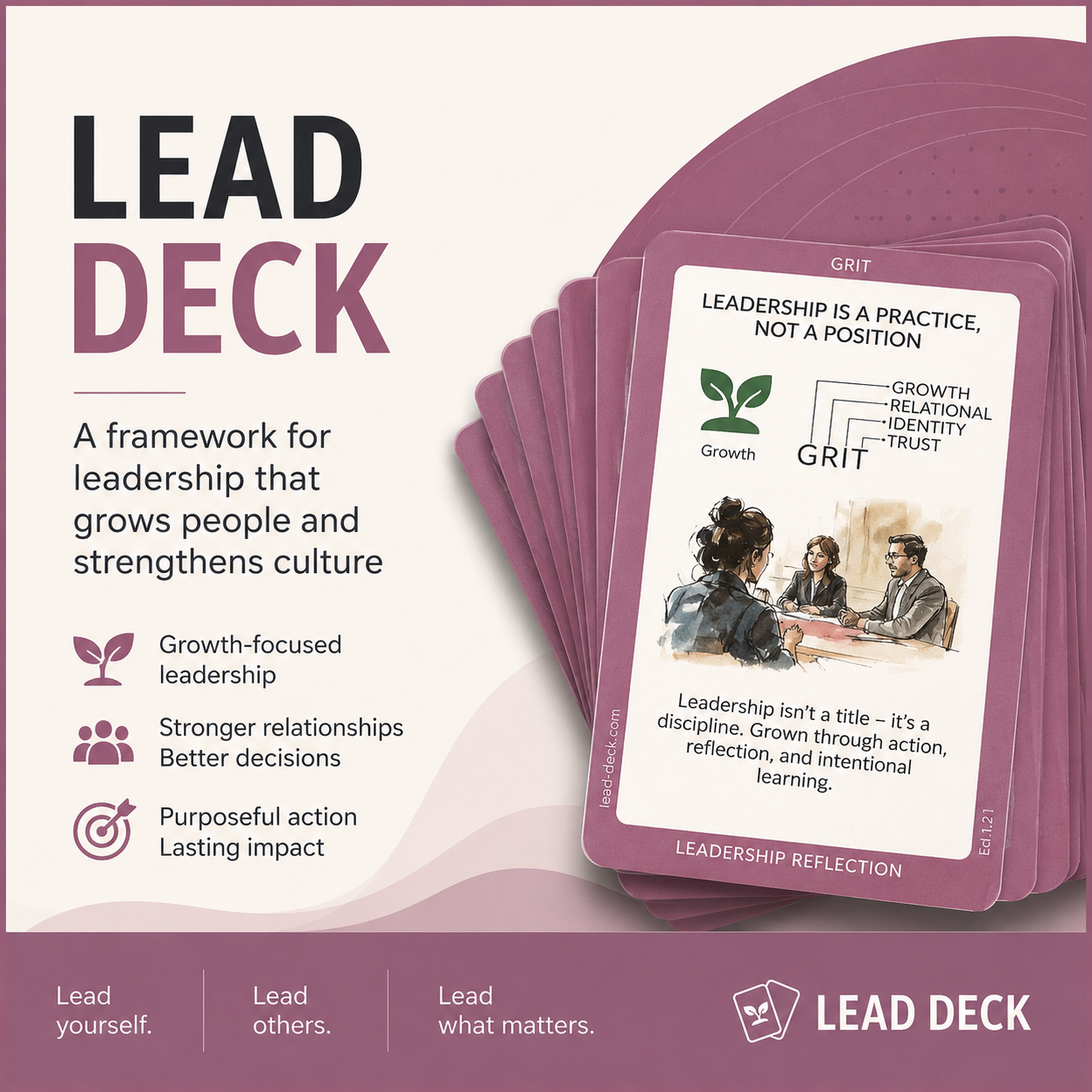
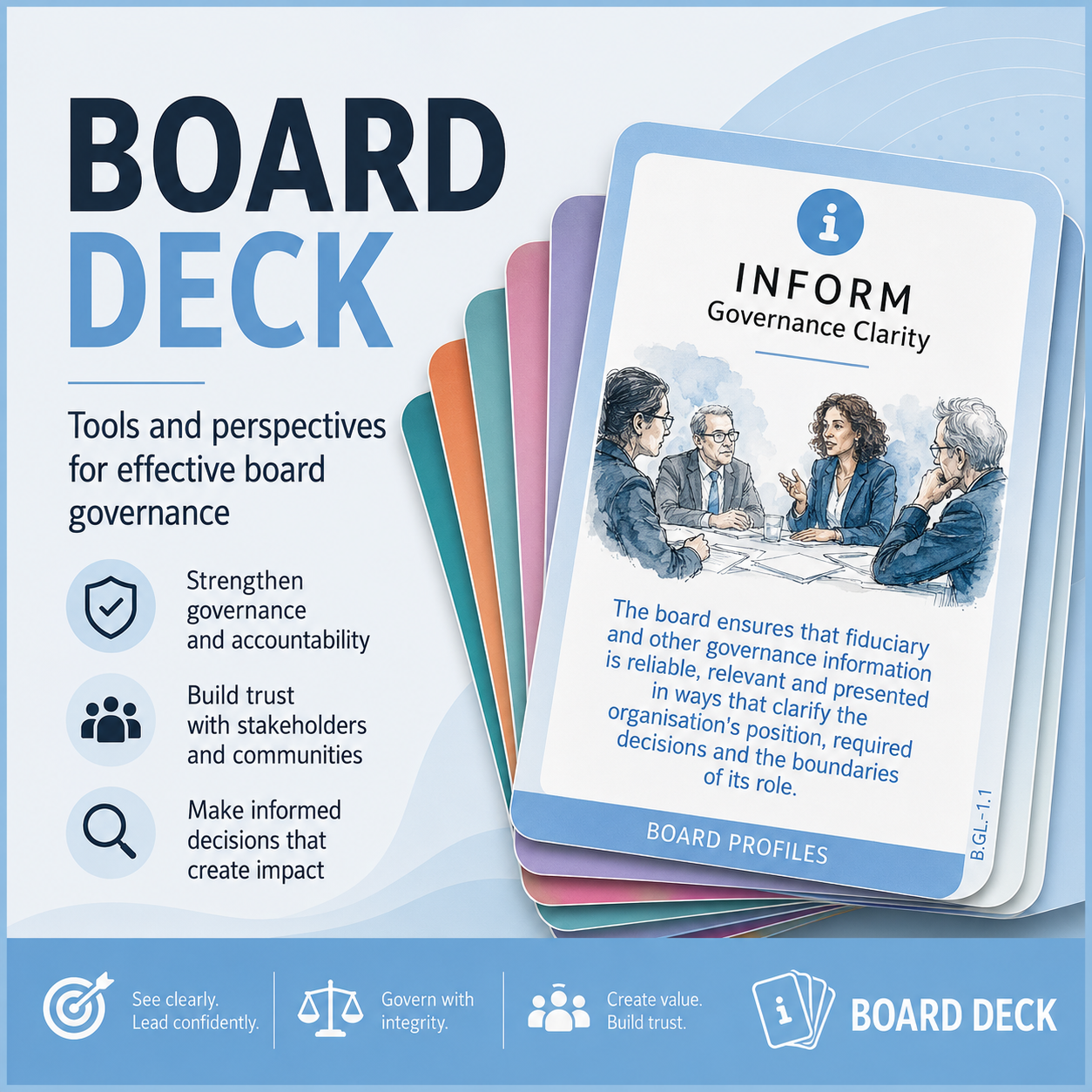
Relevant practices appear across Praxis, Lead and Board because the context changes while the underlying developmental purpose stays the same.
Recognition
How would you know possibility was developing? You would look for someone increasingly able to imagine options beyond the current state, entertain an idea before knowing whether it will work, and see a situation as changeable rather than fixed.
Entertaining an idea before knowing it will work matters most, because it is the hardest to fake. Endorsing possibilities that are already safe is easy; staying open to ones that might not pay off is not.
This is also the test that keeps the model honest. If increasingly good possibility never becomes recognisable, the Inspire and Enjoy practices are not doing what we think they are.
The feedback loop
Practice, to recognition, to capacity, to principle, to purpose. What we can recognise in practice is how we learn whether the theory of action is working, or whether it needs to change.
Back to the Nine Map. Possibility is one of nine intersections, each opening into the same depth. Use the map above to move between them.