Every intersection of the Nine Map names a capacity. This is the deep dive beneath one of them: what it means, where established thinking meets it, what the evidence does and does not support, and what might help it develop. A worked example of the pattern, not settled science.
The proposition
We make what matters examinable so that attention can stay available.
The capacity this intersection asks us to cultivate is openness.
Openness is the capacity to question, to hold ideas up for examination and to consider being wrong, without attention being consumed by defensiveness or threat. It is receptivity to inquiry, made possible when questioning feels safe rather than dangerous.
Openness is the willingness to question, not yet the developed ability to tell things apart. That ability is discernment, which sits above it; openness is what makes discernment possible in the first place, because attention spent defending a position is not available to examine it. Openness is not indecision or the absence of conviction. It is the safety to hold even firm views up to the light, and it differs from orientation beside it, which is knowing where you are rather than being willing to have that questioned.
It sits at the foot of the Inquire column, beneath discernment and adaptability. Read the column upward and questioning steadily changes behaviour, but only if questioning can begin: where challenge is unsafe, inquiry never starts, and nothing downstream of it can develop.
In each context
The intersection stays generative as context changes. Inquire crossed with Enjoy keeps pointing towards openness, while its expression shifts.
Learning
Learners can admit confusion, ask naive questions, and be wrong out loud without social cost.
Leadership
People can raise concerns, disagree and admit uncertainty without spending attention managing risk to themselves.
Governance
Trustees can challenge without challenge becoming personal or threatening relationships.
System design
Norms and structures make questioning routine rather than exceptional, so problems surface early.
Theoretical perspectives
Openness is not a single construct. Several established bodies of work illuminate different aspects of it. Some speak to it directly; others explain the conditions and capacities it draws on.
Direct perspectives
- Psychological safety
- The shared belief that it is safe to speak up, question and be wrong, without which inquiry does not start.
- Curiosity
- The pull towards what is not yet known, which opens attention to examination rather than closing it in defence.
- Openness to experience
- The disposition to entertain new ideas and perspectives rather than reject them by default.
- Intellectual humility
- Holding one’s beliefs as revisable, and treating being wrong as ordinary rather than threatening.
- Approach and avoidance
- Whether attention moves towards a challenge or away from it, which decides whether questioning is even attempted.
Important neighbours
- Discernment
- The developed ability to tell things apart. It sits above, at Inquire × Engage; openness makes it possible.
- Orientation
- Knowing where you are. It sits beside, at Inform × Enjoy, sharing the available-attention condition.
- Possibility
- Openness to what could be. It sits beside, at Inspire × Enjoy.
What research suggests
A caution first. What follows does not validate the six-principle model, and it is not offered as proof. It is the evidential trail: established work that concerns openness directly, and separate work that supports part of the mechanism this intersection proposes.
Research directly concerning openness
Curiosity supplies the pull towards what is not yet known (Loewenstein, 1994; Berlyne, 1960), the trait of openness to experience describes a broad standing readiness to entertain the unfamiliar (McCrae & Costa, 1997), and intellectual humility concerns recognising that one’s beliefs may be wrong and attending to evidence rather than defending the self (Leary et al., 2017). Each is wider than the Nine Map’s focused definition, but each illuminates part of the willingness to question.
Research supporting part of the mechanism
Psychological safety is not openness itself; it is a social condition that makes openness less costly. Teams with higher psychological safety are more likely to raise problems, admit errors and engage in learning behaviour (Edmondson, 1999). Whether attention moves towards a challenge or away from it also influences whether questioning is attempted, a distinction studied in approach and avoidance motivation (Elliot, 1999). Together these support the availability side of this intersection without proving its full claim.
So the honest position holds. Openness has substantial theoretical and empirical neighbours, while the specific claim, that making what matters examinable while attention is available develops openness, remains a hypothesis worth testing rather than a settled finding.
Research base
- Berlyne, D. E. (1960). Conflict, arousal, and curiosity. McGraw-Hill.
- Edmondson, A. (1999). Psychological safety and learning behavior in work teams. Administrative Science Quarterly, 44(2), 350–383. https://doi.org/10.2307/2666999
- Elliot, A. J. (1999). Approach and avoidance motivation and achievement goals. Educational Psychologist, 34(3), 169–189. https://doi.org/10.1207/S15326985EP3403_3
- Leary, M. R., Diebels, K. J., Davisson, E. K., Jongman-Sereno, K. P., Isherwood, J. C., Raimi, K. T., Deffler, S. A., & Hoyle, R. H. (2017). Cognitive and interpersonal features of intellectual humility. Personality and Social Psychology Bulletin, 43(6), 793–813. https://doi.org/10.1177/0146167217697695
- Loewenstein, G. (1994). The psychology of curiosity: A review and reinterpretation. Psychological Bulletin, 116(1), 75–98. https://doi.org/10.1037/0033-2909.116.1.75
- McCrae, R. R., & Costa, P. T., Jr. (1997). Conceptions and correlates of openness to experience. In R. Hogan, J. Johnson, & S. Briggs (Eds.), Handbook of personality psychology (pp. 825–847). Academic Press. https://doi.org/10.1016/B978-012134645-4/50032-9
A proposed starting base, not a closed list, grouped by whether a source concerns openness itself or supports part of the proposed mechanism.
Design implications
If we take these perspectives seriously, several design implications follow. These are design propositions, not a recipe for producing openness.
Praxis
Practices make the design propositions concrete. For openness, these might include routines that invite dissent before decisions, leaders naming their own uncertainty, protected ways to ask naive or awkward questions, and treating being wrong as ordinary information rather than failure.
A practice can support more than one capacity. A routine that invites dissent develops openness while also improving discernment. The Nine Map is therefore not a filing system for practices; it provides a way of asking what a practice is intended to develop.
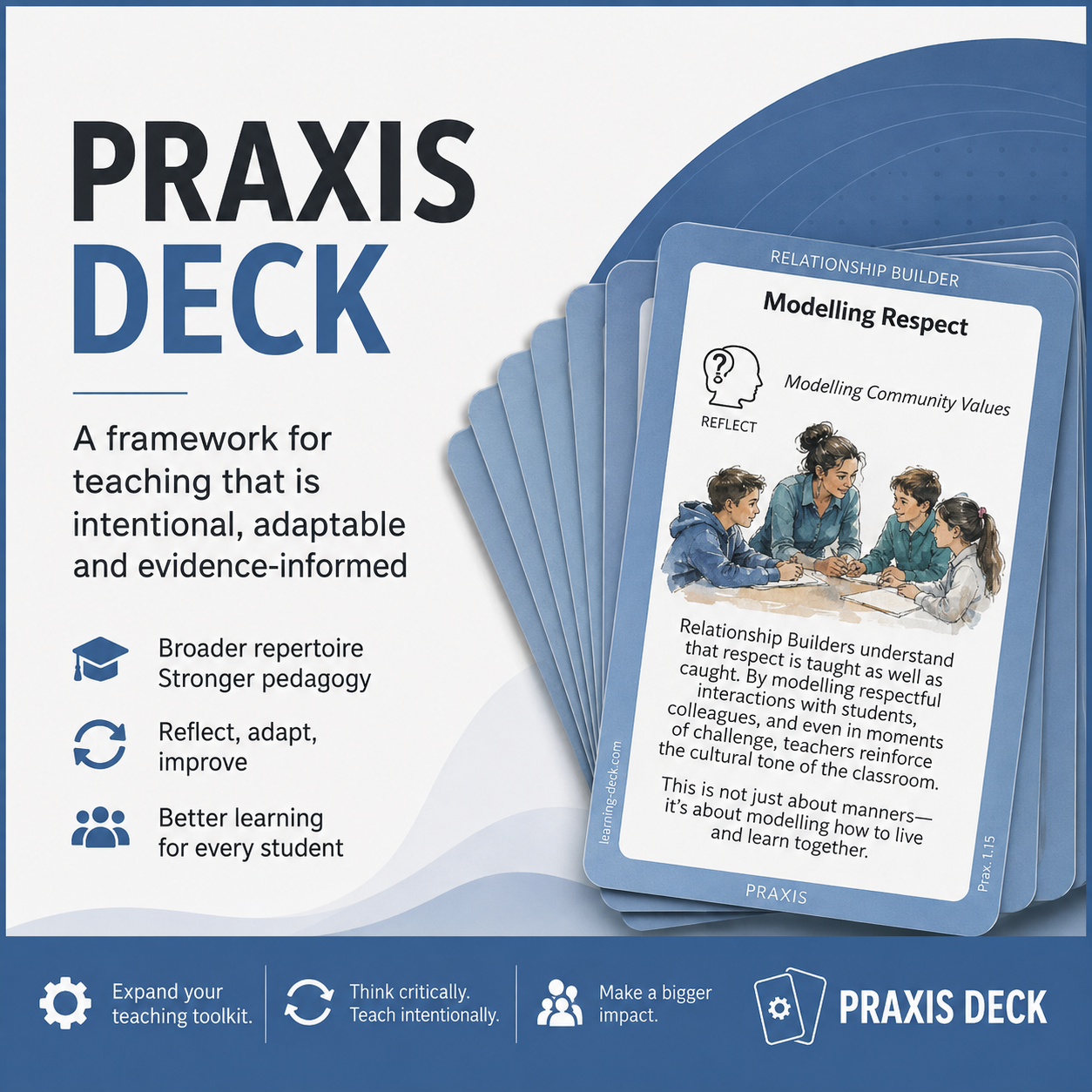
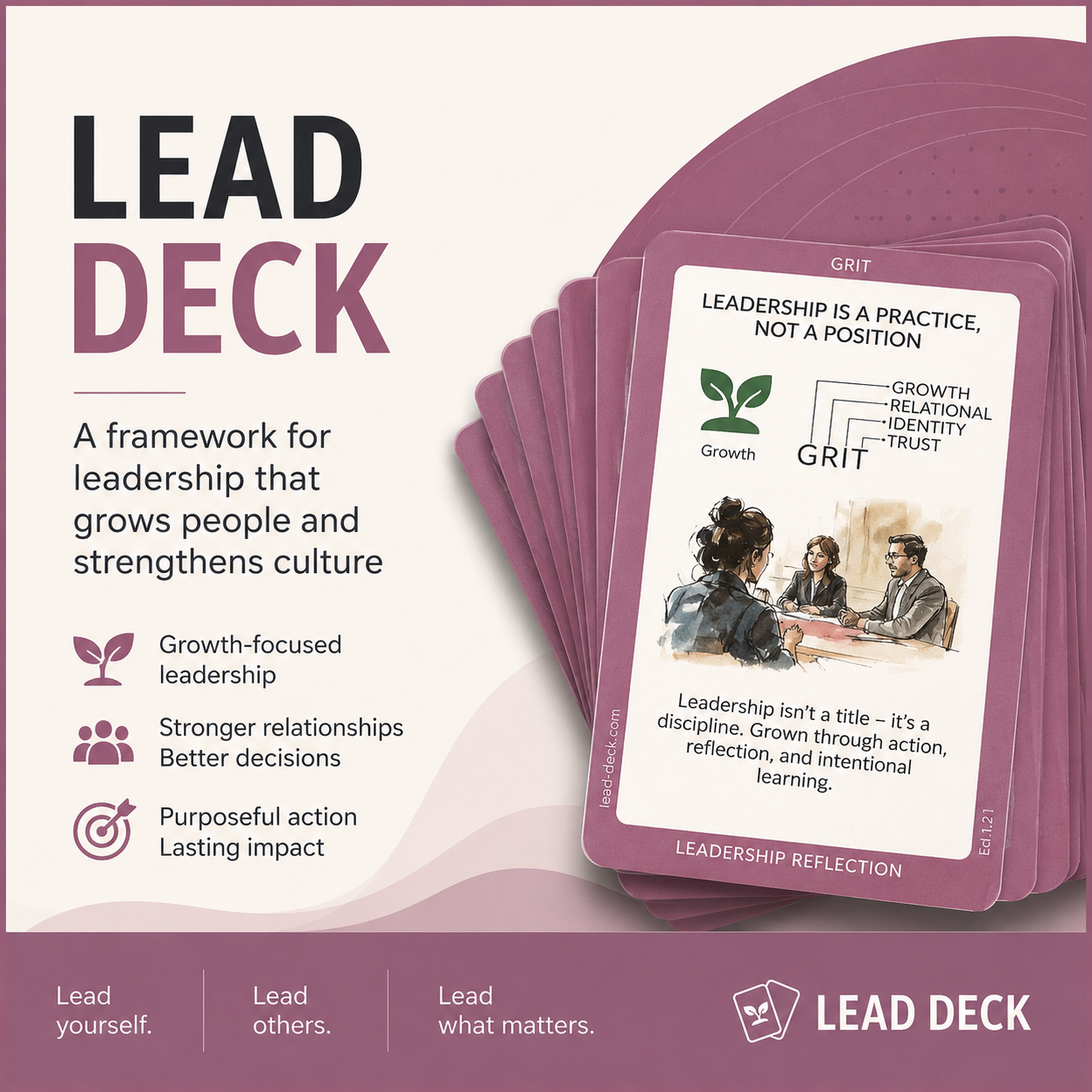
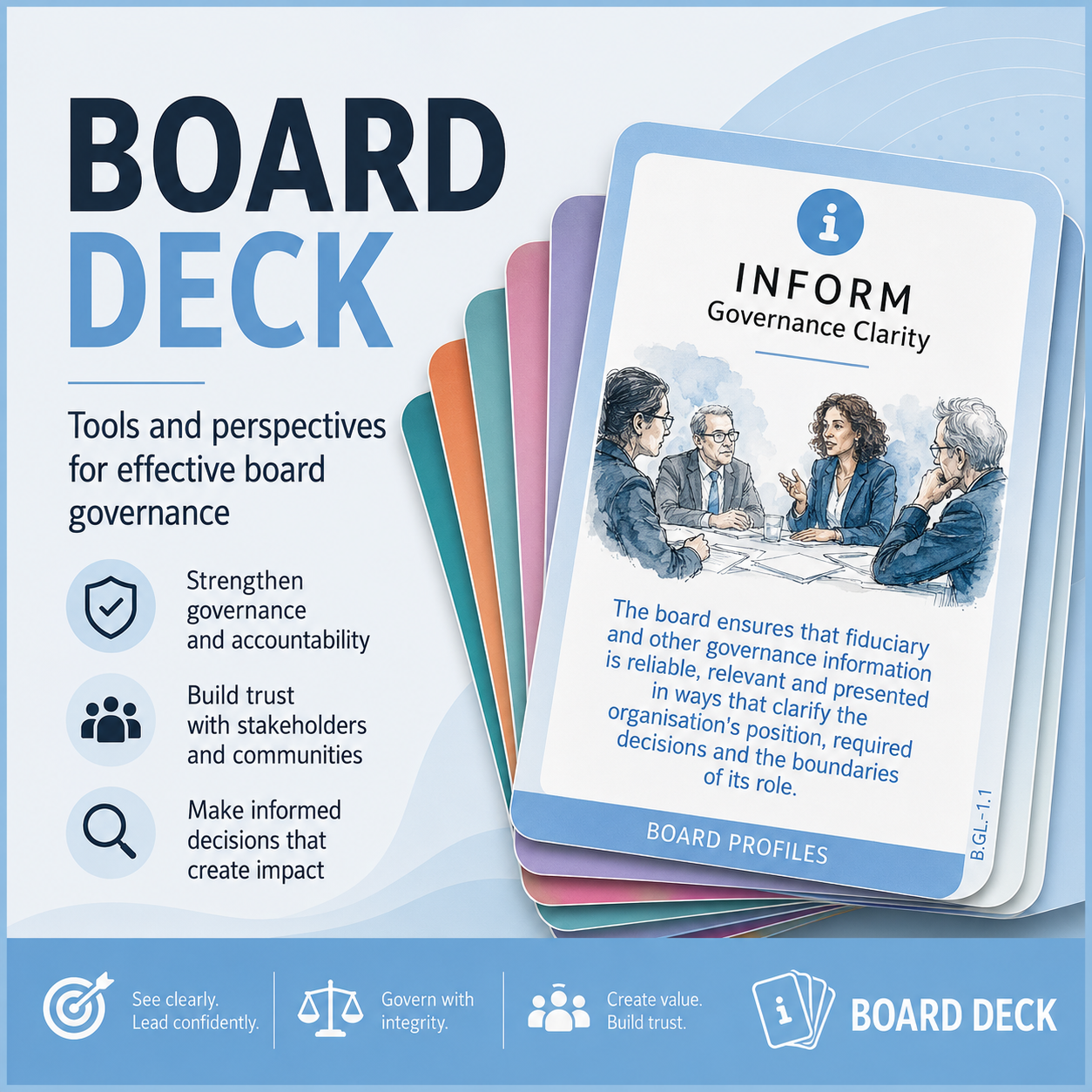
Relevant practices appear across Praxis, Lead and Board because the context changes while the underlying developmental purpose stays the same.
Recognition
How would you know openness was developing? You would look for someone increasingly able to ask a naive question, admit they were wrong, invite challenge to their own view, and change their mind when a challenge lands, without any of it costing them.
Changing their mind when a challenge lands matters most, because it is the hardest to fake. Performing receptiveness while conceding nothing is common; actually moving is not.
This is also the test that keeps the model honest. If increasingly good openness never becomes recognisable, the Inquire and Enjoy practices are not doing what we think they are.
The feedback loop
Practice, to recognition, to capacity, to principle, to purpose. What we can recognise in practice is how we learn whether the theory of action is working, or whether it needs to change.
Back to the Nine Map. Openness is one of nine intersections, each opening into the same depth. Use the map above to move between them.