The physical thinking systems

Thinking becomes more useful when you can put it on the table.

Many of the hardest organisational conversations are difficult for a simple reason: the important thinking stays invisible.

Made to be put on the table.

Assumptions sit inside people's heads. Different interpretations go unnoticed. Evidence gets confused with conclusions. Familiar patterns shape the conversation without being named.

Synnovate decks are physical thinking systems designed to make those things visible. They're used within our workshops to help groups externalise, examine and challenge their thinking, and to give them a shared language they can keep using afterwards.

The cards don't provide the answers.
They make it harder to avoid the questions.

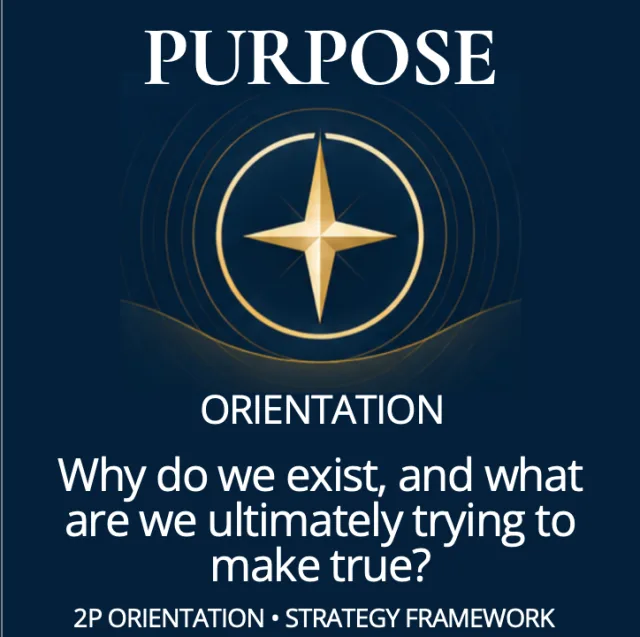
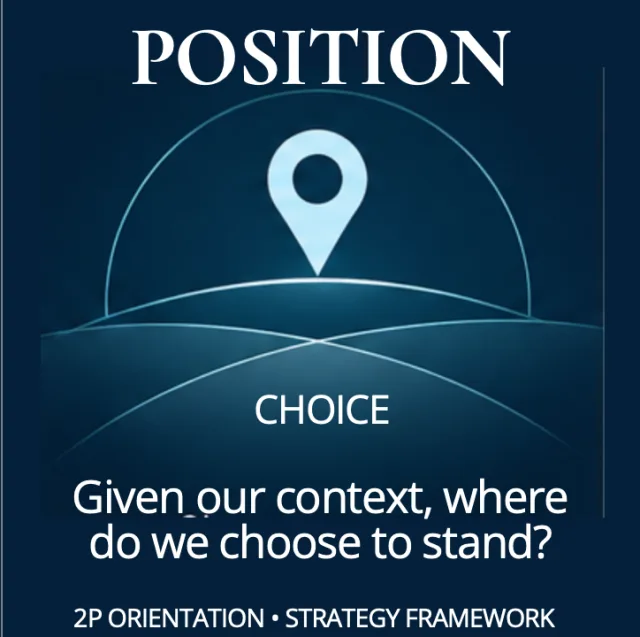
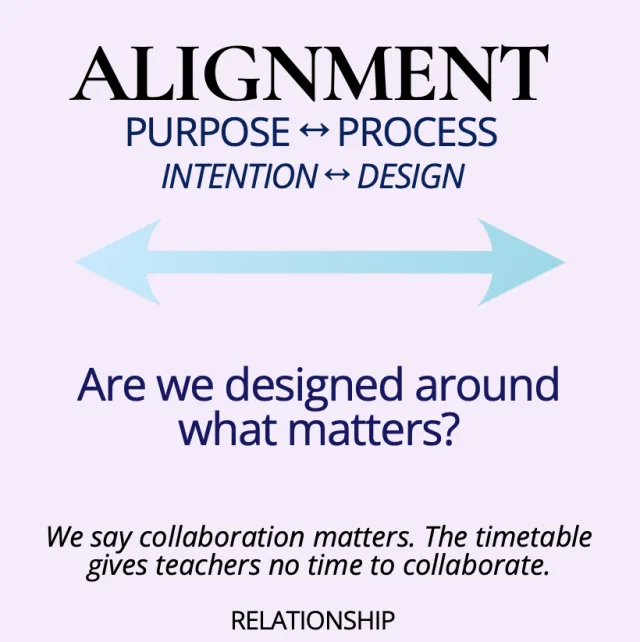
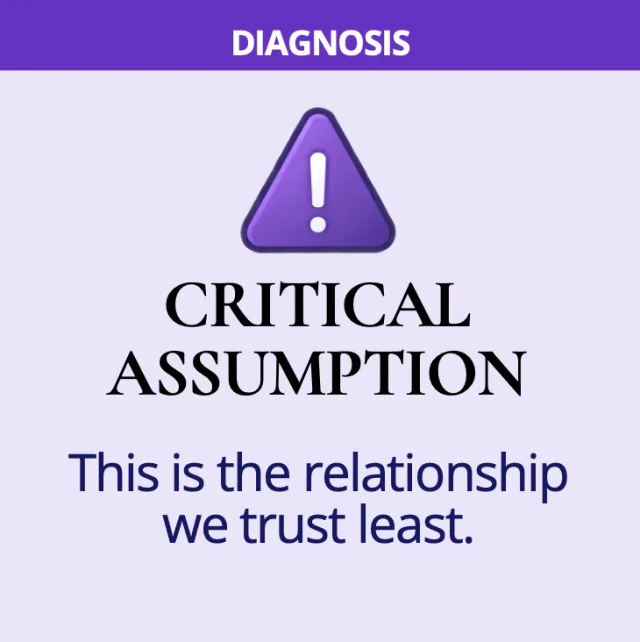
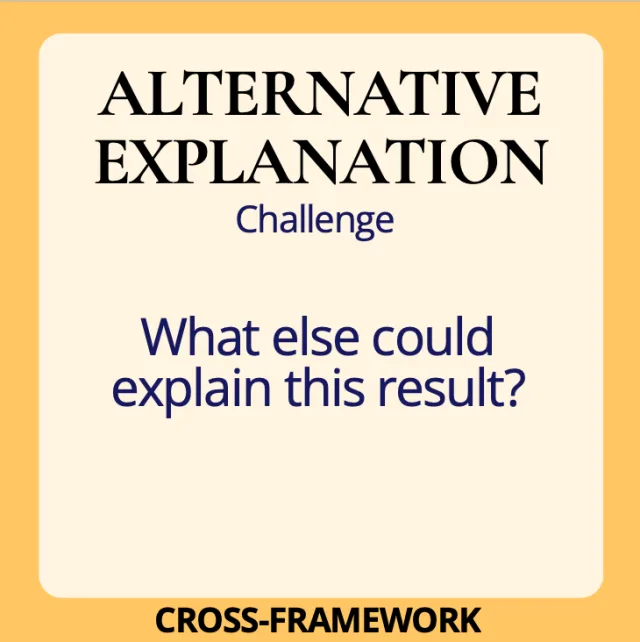
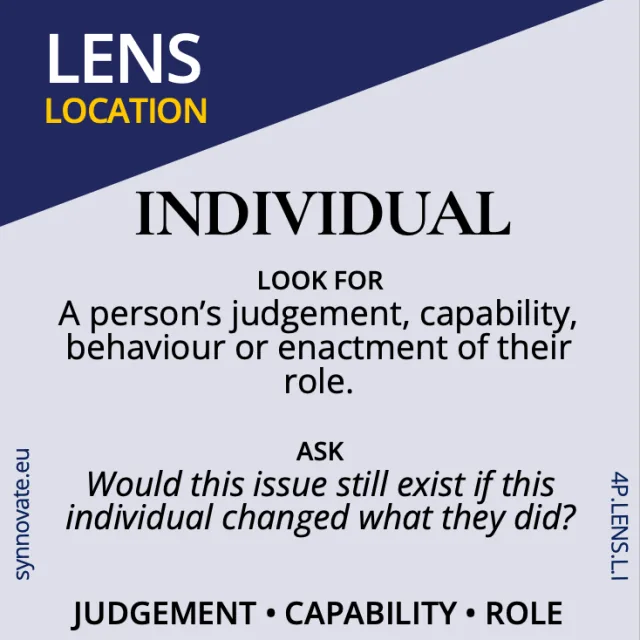
Purpose card asking why the organisation exists Position card asking where the organisation chooses to stand Alignment card testing whether intention and design support one another Critical Assumption card identifying the relationship the group trusts least Alternative Explanation card asking what else could explain a result Individual lens card asking where the work sits

One examines the strategy. One examines the thinking.

Strategic Coherence Deck

Test the strategy.

A strategy can be clear, ambitious and beautifully presented while depending on connections and assumptions nobody has examined. The Strategic Coherence Deck helps leadership teams and boards make that reasoning visible.

It moves from organisational direction and strategic focus into dependencies, assumptions, lived reality and evidence, helping a group examine not simply what the strategy says, but whether the reasoning behind it deserves confidence.

Clarity about what matters.
Confidence in how it connects.
Change that can be evidenced.

What it helps a room do

  • Clarify Purpose and Position.
  • Find where strategic attention genuinely belongs across Programme, People, Place, Processes and Partnerships.
  • Expose the dependencies and tensions between them.
  • Test strategic propositions against intention, design, reality and evidence.
  • Probe assumptions, challenge conclusions and identify uncertainty.
  • Decide what should be retained, tested, revised or reconsidered.
Not a strategy template

The deck doesn't prescribe what a strategy should contain, or lead a group through 106 cards in sequence. Cards are introduced when the conversation requires them. Some establish orientation. Some reveal dependencies. Some test reasoning. Others deliberately challenge what the room has begun to believe.

The objective isn't to complete the deck. It's to see the organisation more clearly.
Used in: Strategic Coherence by Design.
Available: currently supplied as part of facilitated Strategic Coherence work.

See the Strategic Coherence workshop →

Think Deck

Change the conversation.

Good decisions depend on more than good information. They depend on what a room does with it.

Who speaks? What remains hidden? Which evidence receives attention? Which assumptions escape challenge? What happens when disagreement appears?

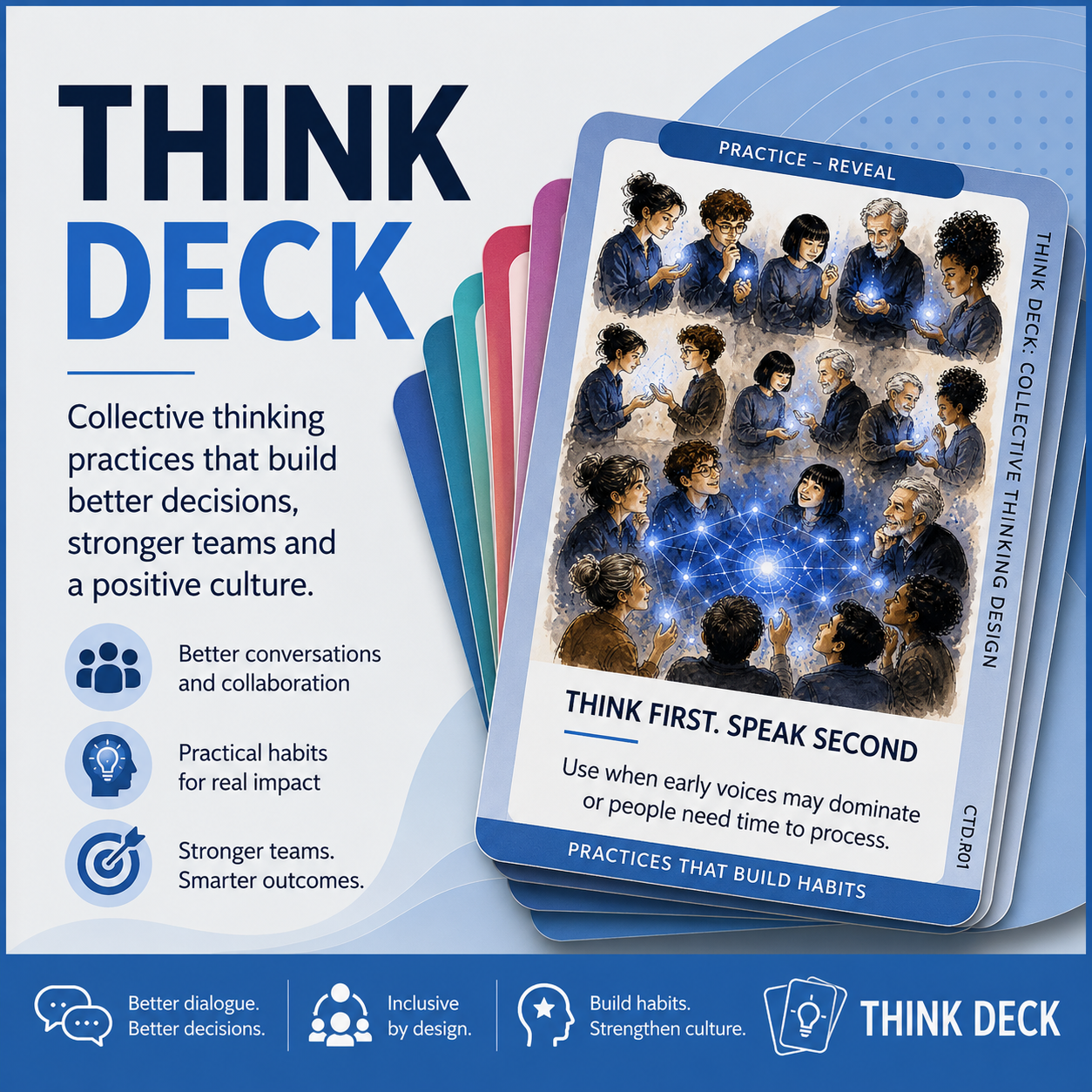
The Think Deck is a physical system for developing collective thinking capability. Rather than examining the strategy itself, it helps a group notice and change the habits, practices and patterns shaping how it thinks.

The Think Deck, a physical system for developing collective thinking

What it makes visible

  • Foundations: the conditions beneath collective thinking.
  • Habits: six ways of changing what a room repeatedly does.
  • Practices: small, usable interventions that turn those habits into behaviour.
  • Patterns: familiar ways collective thinking becomes distorted or constrained.
  • Tensions: competing demands that need to be held rather than prematurely resolved.
  • Prompts: questions that move a conversation when it becomes stuck.
The practices are deliberately small.

A better conversation doesn't become culture because it happened once. Shared practices, repeated, become shared habits. Shared habits shape culture.

Used in: Beneath the Waterline · Waterline Lab · Thinking by Design.
Available: currently used within Synnovate workshops and development programmes.

Explore the Think Deck →

Two questions, not one.

Strategic Coherence asks

Does our strategic reasoning deserve confidence?

Think Deck asks

What is our thinking doing, and what would change it?

A group can think extremely well about a weak strategic proposition. It can also have a strong strategy and repeatedly undermine it through the way conversations, decisions and assumptions are handled. The decks overlap, but they're not interchangeable. One examines the thinking. The other examines what the thinking is about.

When the problem is in the room.

Strategic Coherence workshops use the Strategic Coherence Deck as their primary working system. Occasionally, though, the problem is happening in the room itself.

A False Clarity card might expose an assumption that everyone means the same thing.

The Missing Voice might reveal whose experience is absent.

A tension such as Autonomy ↔ Alignment might give a group language for something it has struggled to articulate.

At those moments, selected Think Deck cards can act as mirrors. The distinction remains: Strategic Coherence provides the architecture for examining strategy. Think Deck provides the practices for improving the conversation examining it.

Make the thinking visible. Make it shared. Make it repeatable.

A workshop creates an experience. A deck helps a group repeat it. Organisational change rarely comes from one exceptional conversation. It comes from what people learn to do differently in the conversations that follow.